
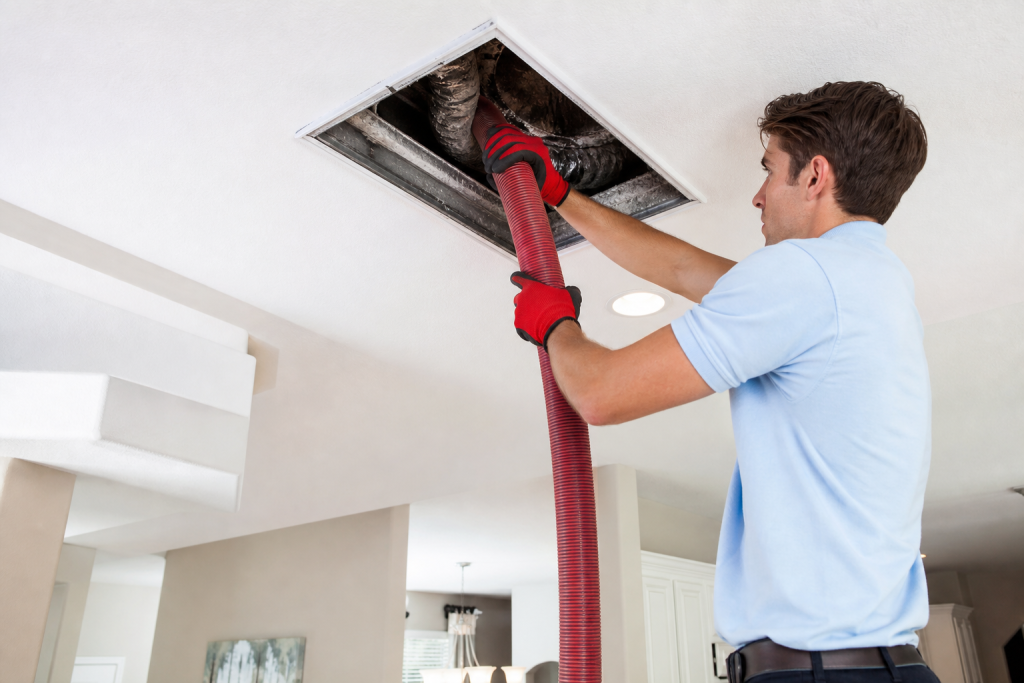
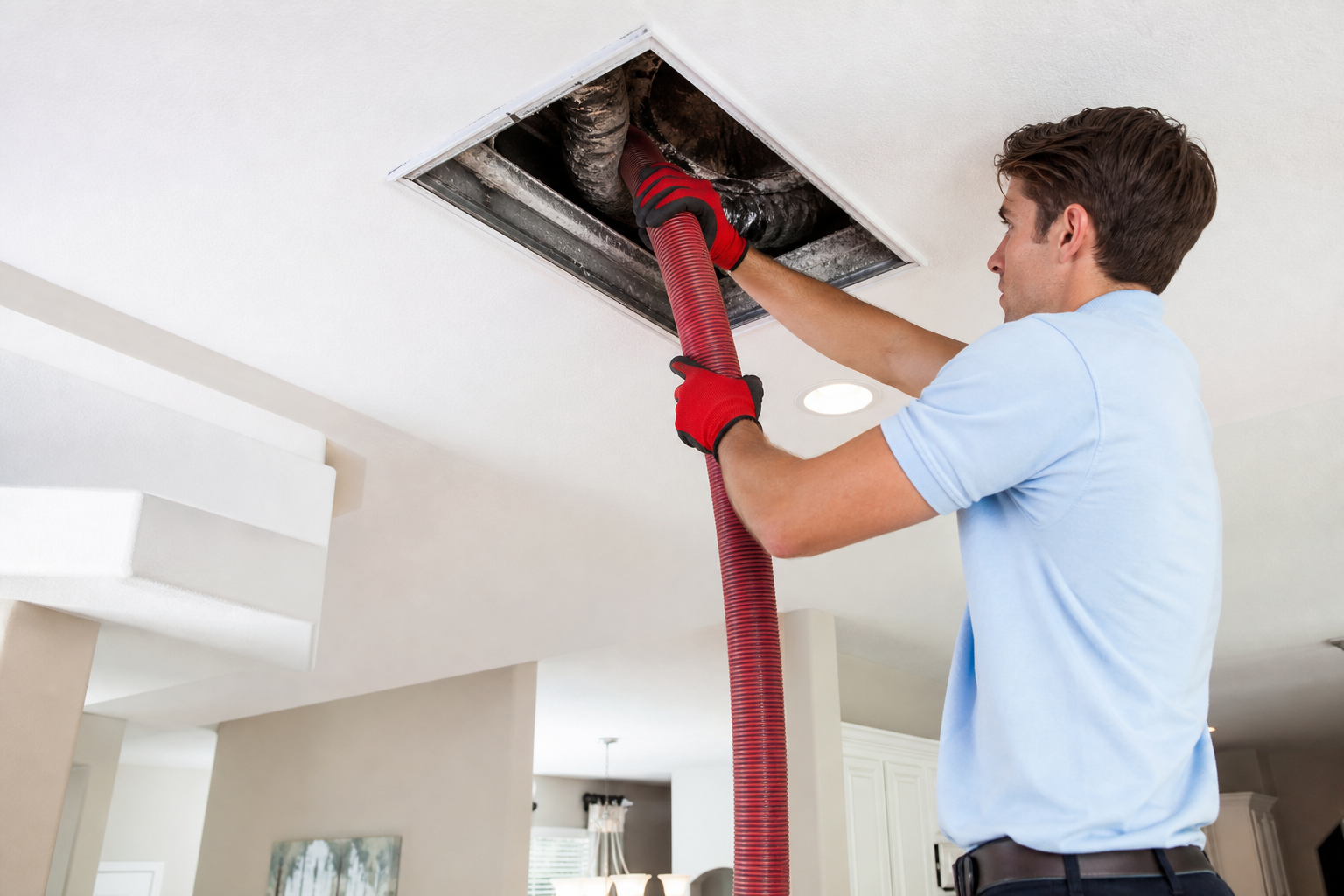
Emergency Air Duct Cleaning Near Me: What Austin Homeowners Should Do First
If you’re searching “emergency air duct cleaning near me” in Austin, the first thing to know is that most duct situations don’t actually need same-day service—they need the right triage in the first hour. Shut off your HVAC system immediately if you suspect water, smoke, or pest contamination; leaving it running spreads the problem through every room. From there, document what you see, categorize the issue, and then decide whether you need a technician tonight or can safely wait for a thorough inspection tomorrow. If you’d rather not handle the assessment yourself, call Nova Air Duct Cleaning Service Austin at (833) 315-4216—Douglas and the Nova team can walk you through it over the phone.
Here’s a mistake we see constantly: homeowners in Austin panic-dial the first company that answers at 9 p.m., pay emergency rates for work that could’ve waited, and still end up with half-measures because the technician didn’t have the right equipment for the actual problem. We’ve been called to homes in Allandale where someone paid $800 for a “rush cleaning” after a minor water leak, only to find the ducts were still damp inside because the contractor didn’t own a proper drying system. The homeowner then needed a second visit—this time for real mold remediation. That first 30 minutes of calm decision-making saves more money and hassle than any coupon.
Step One: Shut Off Your HVAC—Here’s Why That Matters Most
The single most important action in any duct emergency happens at your thermostat, not your phone. When your HVAC blower is running, it acts like a circulation pump, pushing contaminated air through every supply and return in your Austin home. We’ve seen a localized kitchen smoke issue turn into a whole-house odor problem because the homeowner left the AC on while calling around for quotes.
Turn the system completely off—cooling, heating, and fan. If you have a smart thermostat, disable any scheduled runs. In Austin’s climate, this means you’ll lose cooling quickly during summer months, but 30 to 60 minutes of discomfort beats weeks of lingering smoke smell or microbial growth spreading through damp ductwork.
Exception: if you suspect a gas leak, leave the house and call your utility company first. Don’t touch electrical switches or your HVAC controls. This isn’t a duct issue yet—it’s a safety emergency.
Once the system is off, open windows if outdoor air quality permits. Austin’s spring pollen counts can be brutal, but if you’re dealing with smoke or chemical contamination, cross-ventilation helps. In our eight years focused on one trade, we’ve found that homeowners who shut down their HVAC immediately reduce the scope of necessary cleaning by 40 to 60 percent.
How to Categorize Your Emergency: Four Types, Four Different Responses
Not every “emergency” is the same, and Austin’s specific climate and housing stock create distinct patterns. Here’s how to sort what you’re dealing with:
- Water intrusion: Roof leaks during Austin’s sudden spring storms, condensate pan overflows from overworked AC units, or plumbing leaks above ceiling runs. First response: shut off HVAC, place buckets, photograph water lines on ductwork. Most water situations can wait 24 hours if the system stays off and humidity is controlled. What you risk by delaying: mold colonization in fiberglass duct liner, which begins in 24 to 48 hours in Austin’s humidity.
- Fire or smoke: Kitchen fires, wildfire drift from the Hill Country, or electrical component burnout in the air handler. First response: HVAC off immediately, windows open if safe. Smoke particulates bond to metal duct surfaces within hours and absorb into flex duct permanently. This genuinely cannot wait—odor becomes progressively harder to eliminate.
- Pest discovery: Rodents in crawl space ducts, bat colonies in attic returns, or insect infestations. First response: HVAC off, identify entry points if visible. Austin’s limestone geology creates natural pest highways into older home foundations. Some situations need an exterminator first; others, we can handle with extraction and sanitizing using Abatement Technologies HEPA containment.
- Post-storm debris: Austin’s severe weather can force outdoor contaminants through compromised exterior vents or damaged roof curbs. First response: inspect visible exterior components, HVAC off if you suspect blockage. Often manageable within 48 hours if airflow is fully restricted.
We pulled a squirrel nest out of a return duct in a Tarrytown home last month where the homeowner had run their system for three days after hearing scratching—convinced it would “work itself out.” The animal had died, and the decomposition required full duct sanitizing with Guardsman products plus replacement of a 12-foot flex section. A quick shutdown and call would have saved about $1,200.
What to Document Before Anyone Touches Anything
If there’s any chance of an insurance claim, documentation starts before the first contractor arrives. Austin homeowners in neighborhoods like Shady Hollow, Circle C, or Windsor Park—where we’ve done extensive work—often don’t realize that their photos from hour one determine whether adjusters approve duct-related claims.
Photograph these specific items:
- The visible source: water stain patterns, fire damage, pest entry holes, or debris accumulation
- The HVAC unit itself, including model and serial numbers
- Any visible contamination inside floor or ceiling registers (use your phone’s flashlight)
- Your thermostat showing the system is off, timestamped
- Wide shots of affected rooms showing the full context
Video walkthroughs are even better—slow pan across ceilings, close-ups of each vent, narration describing when you first noticed the issue. We’ve had Austin clients whose insurance initially denied smoke damage claims until we submitted our pre-cleaning inspection photos alongside their documentation. The combination of homeowner evidence plus professional assessment with Rotobrush camera systems typically resolves disputes in the homeowner’s favor.
Keep a simple log: time you discovered the issue, time HVAC was shut off, any symptoms (odors, visible particles, noise), and names of anyone you’ve spoken with. This isn’t paranoia—it’s the standard we use on every job, and it protects everyone.
How to Vet an “Emergency” Duct Cleaning Contractor in Austin
Not every company answering after hours is equipped for actual emergencies. Some are opportunists who charge premium rates for standard service dressed up with urgency language. Here’s how Douglas and the Nova team would assess a competitor if we needed emergency work ourselves:
- Ask what equipment they’re bringing: A legitimate emergency response for duct contamination requires more than a shop vacuum. Professional-grade Rotobrush and Nikro systems with HEPA filtration, negative air machines, and camera inspection capability are baseline. If they can’t name their equipment brands, they’re not specialists.
- Ask about their scope: Will they inspect the full system or just clean what’s visible? Do they handle repairs if they find disconnected ductwork? A company that only cleans can’t solve the underlying problem—we’ve been called to fix separations that “cleaning-only” contractors ignored in South Austin homes.
- Ask for a realistic timeline: Anyone promising complete remediation at 10 p.m. is either overselling or under-delivering. True smoke or water damage often requires multiple visits: extraction, drying verification, then cleaning and sanitizing. We tell Austin homeowners upfront when overnight work is genuinely necessary versus when first light with proper equipment produces better results.
- Verify their review volume and specificity: A company with three generic reviews and no Austin neighborhood mentions is a red flag. Our Nova Air Duct Cleaning Service Austin home page shows our full review history—more than 1,255 homeowners reviewed us with enough detail that you can tell we’re actually working in this market.
One question that separates professionals from pretenders: “What’s your protocol if you find mold?” The wrong answer is “we’ll spray something.” The right answer involves containment, HEPA filtration, moisture source identification, and post-remediation verification—protocols we follow with Aprilaire and Abatement Technologies equipment.
What Can Wait vs. What Genuinely Cannot: A Realistic Timeline
Fear drives expensive decisions. Here’s our honest assessment from eight years in Austin homes:
| Situation | Can it wait 24–48 hours? | Why |
|---|---|---|
| Minor water spot on single ceiling vent, HVAC off, humidity below 60% | Yes | No active mold risk yet; schedule thorough inspection |
| Visible water in multiple ducts, standing water in plenum | No | Mold risk accelerates; needs extraction and drying |
| Smoke odor confined to one room, HVAC off immediately | Borderline | 24-hour window for best odor removal results |
| Smoke odor throughout house, HVAC was running during event | No | Particulates distributed system-wide; every hour worsens bonding |
| Single pest sighting, no HVAC noise or airflow change | Yes | Schedule inspection with camera scope; often not urgent |
| Active pest infestation with debris at multiple vents | No | Contamination spreading; health risk for allergy sufferers |
| Post-storm debris visible at exterior vent, no airflow restriction | Yes | Inspect within 48 hours; clean before next system strain |
Austin’s hard water and mineral-rich soil create unique conditions. We’ve found calcium buildup in ductwork near evaporative cooler conversions in older homes that mimics mold—homeowners panic, but it’s actually a slow-developing maintenance issue. That’s why we always recommend camera inspection before any emergency cleaning commitment. Sometimes what looks catastrophic is manageable, and what looks minor is hiding significant damage.
When to call a pro: If you’ve shut off your HVAC, documented the situation, and still can’t confidently categorize the problem, it’s time for expert eyes. Douglas and the Nova team answer calls at (833) 315-4216 and will honestly tell you whether you need us tonight or can schedule a next-day inspection.
Related services in Austin: Depending on what you find, you may need Air Duct Cleaning in Shady Hollow or surrounding neighborhoods, Dryer Vent Cleaning in Shady Hollow if lint buildup contributed to a smoke event, or HVAC Cleaning in Shady Hollow for full system decontamination after water or fire damage.
The Bottom Line
Most Austin homeowners searching “emergency air duct cleaning near me” need triage, not panic. Shut off your HVAC first—every minute it runs during a contamination event multiplies your problem. Categorize what you’re facing: water, smoke, pest, or debris. Document thoroughly for insurance. Vet any contractor claiming emergency status by their equipment, scope, and review history. And know that many situations safely wait 24 to 48 hours with the system off, while genuine emergencies like active smoke distribution or standing water need immediate professional response.
From cleaning to repair to sanitizing, Douglas and the Nova team bring professional-grade Rotobrush and Nikro equipment and eight years focused exclusively on duct and HVAC systems. More than 1,255 homeowners reviewed us, and we answer the phone when you’re uncertain whether your situation is urgent. If you’re in Austin and need help assessing your duct emergency, call (833) 315-4216 for a free estimate—no emergency upcharge for honest guidance.
Frequently Asked Questions
Emergency duct cleaning in Austin typically ranges from $400 to $900 for residential systems, depending on contamination type, duct accessibility, and whether repairs or sanitizing are needed. Smoke and water damage jobs usually cost more than standard cleaning because they require HEPA containment, moisture meters, and sometimes multiple visits. Cut-rate offers under $300 often indicate a company using portable shop vacuums rather than professional-grade Rotobrush or Nikro systems. Call (833) 315-4216 for an exact quote—estimates are free, and we’ll tell you honestly if your situation needs immediate service or can wait for standard scheduling.
No—running your blower in any mode circulates contaminated air through your entire duct network and living space. We’ve restored systems in Austin homes where homeowners tried this “airing out” method after kitchen fires, only to find smoke particulates had bonded to every room’s supply vents. The forced airflow also drives moisture deeper into porous duct materials during water events. Keep the system completely off until a technician inspects with a camera scope and determines it’s safe to operate.
For Austin homes with flexible ductwork common in post-1980 construction, localized damage often makes repair more economical—typically $200 to $600 per section versus $3,000 to $8,000 for full replacement. However, fiberglass-lined metal ducts that have absorbed smoke or supported mold growth usually require replacement, as cleaning cannot fully restore the porous liner. We always inspect with camera systems before recommending either path. Call (833) 315-4216 and we’ll assess whether your specific damage is repairable.
Legitimate duct cleaning companies in Austin name their equipment brands (like our Rotobrush and Nikro systems), have substantial review histories with neighborhood-specific details, and explain their full process before quoting. Red flags include phone quotes without inspection, refusal to show camera footage, pressure to add services mid-job, and “whole house specials” under $200 that barely cover fuel and labor. Ask how long they’ve specialized in ductwork exclusively—general cleaners who “also do ducts” rarely own proper equipment. More than 1,255 homeowners reviewed us with enough specificity to verify we’re actively working across Austin.
Written by Douglas Ross, Owner & Lead Technician at Nova Air Duct Cleaning Service Austin, serving Austin since 2018.
Need Air Duct Cleaning Help?
Call Nova Air Duct Cleaning Service Austin — licensed & insured, here with fast after-hours help in Austin.
(833) 315-4216